All Categories
Featured
Reviewing Major 2026 Hospitality Market Trends
Evaluating Regional for National Expansion Models
Comparing Investment Models Against Market Trends
Maximising ROI in Profitable 2026 Business Ventures

Analysing Major 2026 Hospitality Industry Shifts
This development consists of a substantial rise amongst female travelers seeking self-reliance and self-discovery, which in turn enhances demand for safety-oriented products and services. Entrepreneurs can capitalize on this chance by developing innovative security options particularly designed for solo tourists, consisting of personal alarms, GPS-enabled gadgets, and protected lodging options.
Comparing Investment Models Against Market TrendsThe appeal of minimalist, sustainable travel is more powerful than ever, especially among millennials and Gen Z. And with remote and hybrid work becoming increasingly prevalent, a distinct, small home rental may stand out of somebody seeking a cozy home for a "workation." Tiny homes can yield high tenancy and low upkeep costs, making them an appealing design for solo operators or store residential or commercial property managers.Slow travel is flourishing, and backwoods are ending up being prime destinations. Entrepreneurs can use the.
Comparing Investment Models Against Market Trendsgrowing appeal of interest-based and cultural experiences by introducing local experience platformssuch as cooking classes, craft workshops, and regional toursin less-traveled areas. This model uses travelers distinct experiences while supporting typically underrepresented neighborhoods and small businesses excited to share their stories and skills. Today's tourists aren't leaving their animals behind; they're planning journeys around them. A well-designed app or planning platform that helps
Reviewing Critical 2026 Service Market Trends
users discover pet-welcoming stays, parks, and dining establishments could corner a devoted market. Add-ons, such as gear suggestions or pet travel packages, can further boost revenue. Touchless, 24/7 retail is on the increase, and modern-day vending devices can now sell whatever from snacks to electronics with minimal overhead. From drinks and snacks to health-conscious items, vending deals diverse alternatives that deal with the requirements and wants of your consumers. Set up in a high-traffic area and enjoy your sales skyrocket. Households who travel with kids often prefer to rent baby cribs, vehicle seats, and strollers at their destination instead of lug them through airports. As of 2026, this industry's market is valued at roughly $1.2 billion, with an expected CAGR of approximately 15%through 2028. With millennials and Gen Zers continuing tobegin and grow their families, there are various chances to meet their expectations by incorporating technology and self-service into the experience. From wedding arches to power washers, customers and services are opting to rent rather than buy one-time-use equipment. This growing market presents lots of opportunities to sculpt out a specific niche and target particular consumer or business requirements.
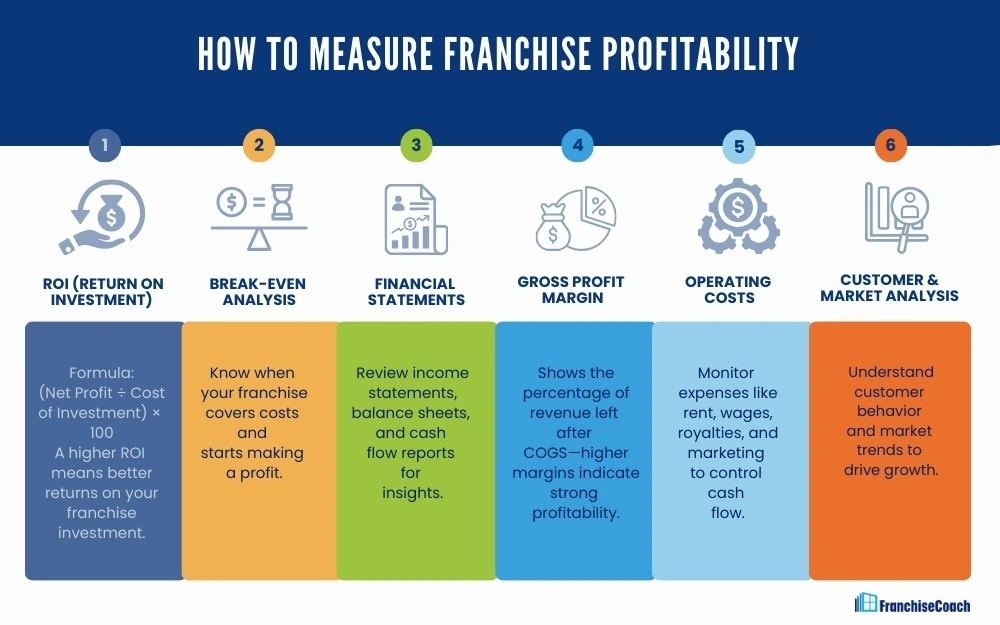
As vehicle ownership costs increase, consumers are searching for economical and sustainable short-term options, such as regional automobile rental models and platforms. The peer-to-peer (P2P) vehicle sharing is predicted to grow almost 16 %by 2030. Start-up expenses and potential revenue margins for brand-new company ventures differ depending on the service's structure. Your cost base(labor versus stock versus technology )and earnings model(one-time vs. repeating)ultimately identify how rapidly your organization concept can become profitable and scalable. The common service-based service expenses$5,000$25,000 at startup. Service companies normally have the most affordable startup expenses since they rely mainly on the owner's(or their workers')abilities instead of on physical assets. Service businesses can normally expect margins closer to 15%to20 %, considering that they can charge more for their knowledge and individual labor. Stock costs, satisfaction logistics, producing factors to consider, and more drive greater startup expenses for product services. Margins can vary commonly depending on production costs, prices strategy, competitors, and whether they run exclusively online or out of a brick-and-mortar location. However, margins are typically lower for product services than other types: The average net revenue for retail companies throughout all sectors is normally well listed below 10%. Membership or repeating revenue companies, such as software-as-a-service(SaaS ), memberships, or subscription box services, rely greatly on client retention for profitability. While initial costs can be moderate to high(specifically for software), the membership design shifts focus towards long-lasting customer value. Any organization with a recurring earnings stream is scalable and profit margins can reach as high as 90%, though a goal of a minimum of 30%is preferable. Expenses and margins will change depending upon your organization's storefront type and place. Many business owners begin their first online organizations from home, so workplace is never ever an upfront cost. Brick-and-mortar startup expenses are substantially greater($50,000 to $150,000)because a physical industrial space is consisted of in initial costs. In addition to rent and product inventory, little organization owners need to consider display screens, designs, point-of-sale systems, and more to get their companies off the ground. Research rivals to see what they're currently offering, how consumers respond, and what you could offer that's superior. Understanding your rivals 'market position allows you to separate, ensuring your offerings won't be eclipsed by what's currently readily available. From there, examine what customers are looking for throughout engineslike Google and platforms like Amazon and YouTube by carrying out keyword research study. In doing so, you'll uncover popular consumer pain points and market spaces. To verify whether consumers want to spend for your concept, evaluate public interest through presales. Presales help you get a clearer image of clients'willingness to spend for your item or service, backed by concrete information and prospective earnings. Before investing time and resources into a major service or product, create a minimum viable product(MVP)or a simplified version of your product or serviceto test the idea. This enables you to confirm your idea based upon feedback from early users and determine whether it's resolving your target market's needs. While some of the above validation tactics can take time to develop, there are faster methods to discover out what audiences think of your concepts. Attempt some of these methods to get quick feedback. Promote your idea with online ads (even if it's not best yet) to see how your target audience reactsand whether you're targeting the right people. Construct an online landing page that describes your offering, including its key benefits and rates design.

Latest Posts

Reviewing Major 2026 Hospitality Market Trends
Evaluating Regional for National Expansion Models
Comparing Investment Models Against Market Trends