All Categories
Featured
Reviewing Major 2026 Hospitality Market Trends
Evaluating Regional for National Expansion Models
Comparing Investment Models Against Market Trends
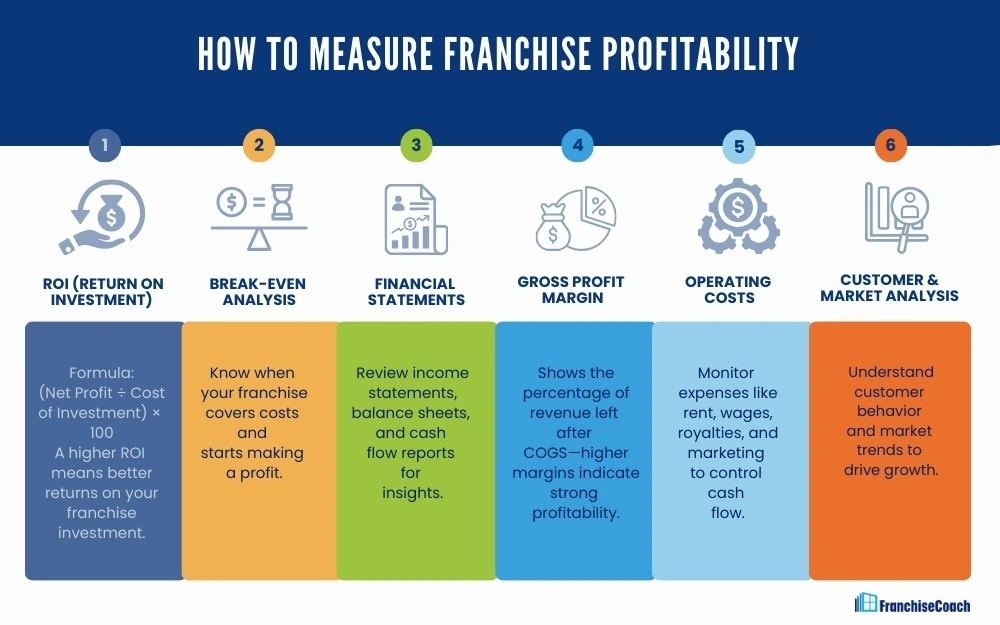
Maximising ROI in Profitable 2026 Business Ventures

Analyzing Fast Casual Sector Share Data for 2026
AI chatbots can answer frequently asked guest questions, decreasing front desk and customer care workload so these workers can focus on more complex matters and on developing meaningful visitor interactions. AI analysis of infrastructure and equipment can anticipate concerns, while agentic AI can handle repairs and order parts autonomously, reducing the threat of failures and pricey emergency repair work.
Agentic AI can evaluate meal and drink offerings, buyings, and profitability to immediately purchase new stock and recommend rate or menu adjustments. According to EHL Assistant Professor Dr. Jie Yu Kerguignas, hospitality leaders "aspire to experiment with tools that empower workers." As EHL alumnus, Vice President at Apaleon, and hospitality tech specialist, Florian Montag states, making use of AI is not about "robots changing people" however about creating a collaborative dynamic where digital assistants manage regular intricacy autonomously, freeing human employees to do what they do best: offer genuine hospitality.
AI can likewise support mental health and job fulfillment by minimizing repeated tasks and making it possible for more well balanced work. Where evaluating big sets of visitor information used to be labor-intensive, AI can efficiently recognize patterns and make actionable suggestions. As customization has actually become progressively important in recent years, the importance of this opportunity can't be downplayed.
AI brings hospitality marketers both new opportunities and new difficulties. As an increasing number of tourists turn to AI for travel research and even to book journeys, hospitality brand names need to get presence in the LLMS that travelers utilize.
travelers used gen AI tools to prepare trips in 2025, an 11-point jump in just one year." LLM optimization will require to end up being an increasingly big part of their marketing mix, alongside more conventional methods such as paid marketing, social networks marketing, and traditional Browse Engine Optimization (SEO). For companies with minimal marketing resources, choices may need to be made, as those who move now have a chance to get ahead of the competitors.
What Boosts Corporate Growth in the Current Market?Online marketers can focus on method as AI manages information analysis, recurring jobs, and online brand monitoring. With AI taking up a growing role in hospitality processes, worker retention hinging not simply on reimbursement however also on fulfilment and wellness, and the industry struggling with high turnover and continuous staffing scarcities, adopting a people-first approach is vital.
However a people-first technique isn't simply advantageous for younger workers. EHL Teacher Dr Bertrand Audrin states that the service world and market must not distinguish too highly in between the specific needs of various generations. He mentions that in the end, it's the team that chooses whether a leader achieves success, and because sense, human-centric management is necessary to every employee, no matter their age or occupation.
And obviously, excellent soft abilities. - Frank Marrenbach, EHL IAB Member and CEO of Althoff Hotels In conclusion, human-centricity is an essential advancement for dealing with staff shortages, moving staff member values, and speeding up technological development. By hiring and training people who can lead with empathy, self-awareness, and credibility, the hospitality industry can produce an appealing office for many generations to come, enhancing both worker and visitor fulfillment.
According to , 93% of global tourists say they want to make more sustainable options when taking a trip, and 69% want to leave locations much better than when they got here. And as the need for environmentally friendly practices is significantly acknowledged and acted on, those at the leading edge are already taking it a step further.
- Markus Venzin, CEO EHL Group Where sustainability measures success by what is minimized or prevented less carbon, less water, less waste regeneration, on the other hand, concentrates on producing a favorable effect. Instead of simply balancing out damage, regenerative hospitality intends to create brand-new value not only for its visitors however for its entire surroundings.
The hospitality industry can add to regeneration in different ways: by replanting mangroves, producing biodiversity, supporting local environmental groups, or teaming up with regional ecological efforts to develop meaningful guest experiences. by using areas to regional groups, producing a hub where locals can fulfill, or inviting regional artists to carry out. by training and working with residents, or working with regional suppliers.
Will Fast Casual Investments Be Lucrative in 2026?
To decrease environmental and supply chain threats. For brand differentiation. The foodservice market is uniquely positioned to favorably impact social and natural environments, customer health, and the economy as it touches a lot of lives every day. Hotels and dining establishments can influence sourcing, design more health-conscious menus, promote social dining practices, and foster transparency and innovation in their operations.
They can react to the growing demand for food that is not just pleasing however also encouraging of visitors' personal and the world's wellness. Adopting a more regenerative method is frequently seen as costly and reserved for niche, premium brands. There requires to be "a balance in between instant operational needs and long-term ecological objectives, positioning sustainability not only as an ethical vital but likewise as a motorist of competitiveness and strength in the developing foodservice landscape," as Dr Martin-Ross says.

Latest Posts

Reviewing Major 2026 Hospitality Market Trends
Evaluating Regional for National Expansion Models

Comparing Investment Models Against Market Trends