All Categories
Featured
Reviewing Major 2026 Hospitality Market Trends
Evaluating Regional for National Expansion Models
Comparing Investment Models Against Market Trends
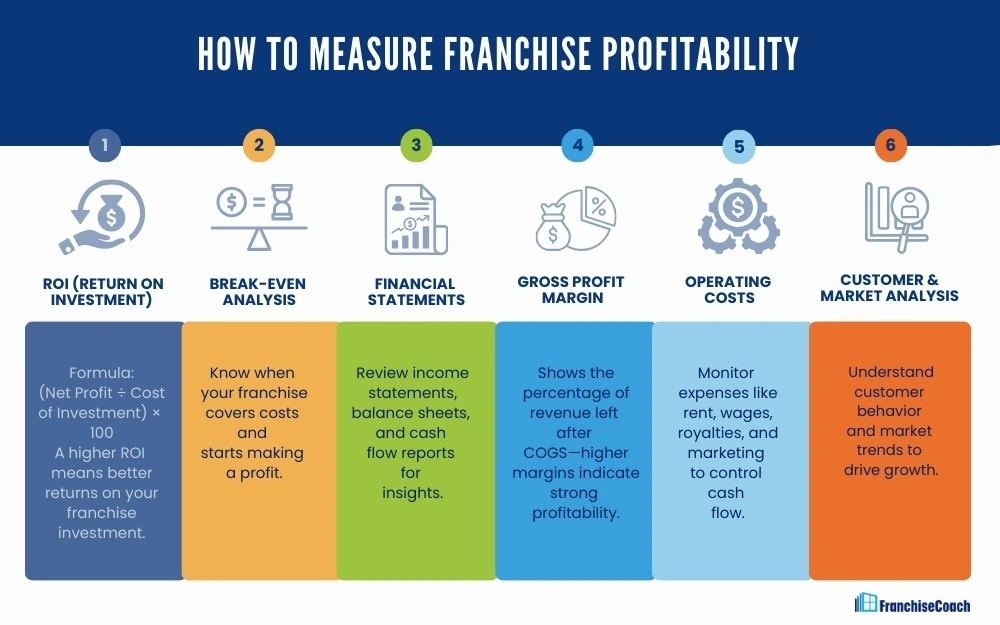
Maximising ROI in Profitable 2026 Business Ventures
Evaluating Top Investment Schemes for Growth
Table of Contents
Listen to the post 17 minutes This audio is auto-generated. Please let us know if you have feedback. Following a year of broad economic uncertainty that stifled growth for hotels, hospitality market leaders are looking toward 2026 with cautious optimism. Rising functional costs are slated to challenge owners this year and lower-tier segments might have a hard time in the middle of a growing wealth bifurcation.
The Evolution of Support Systems in 2026And through everything, hotel companies are expected to strengthen their portfolios with brand-new brand offerings and partnerships. As the year gets underway, Hotel Dive consulted with hospitality leaders from differing corners of the industry about their 2026 forecasts. Below are the top trends anticipated to impact hotel operations, performance, net unit growth and more this year.
The 2026 Shift in Quick-Service HospitalityTotal incomes, incomes and benefits paid by U.S. hotels increased to $127 billion in 2025, according to information from the American Hotel & Lodging Association, shared with Hotel Dive. In 2026, that figure is forecasted to reach $131 billion, representing an approximately 3% year-over-year boost, per AHLA. For hotel owners, rising labor costs position a difficulty to net operating income development, Kevin Davis, Americas CEO at JLL Hotels & Hospitality, informed Hotel Dive.
Major Global Shifts in Brand Development
Rising labor costs have been a difficulty for hoteliers for years, Davis said, especially following the COVID-19 pandemic. Overall, hotel labor costs have actually increased 15.3% from 2019 to 2025, outmatching the 12.8% development in overall operating earnings, according to AHLA.
3, 2024 in San Francisco, California. Justin Sullivan through Getty Images In 2026, Davis noted, union settlements will be "front and center" in New York City, where the New York Hotel and Gaming Trades Council's union contract with the Hotel Association of New York City is set to expire in July.
In 2015, the union backed New york city City's freshly elected Mayor Zorhan Mamdani, who operated on a promise to raise New York City's base pay to $30 per hour by 2030. Hotel industry associations, including AHLA, have actually denounced similar legislation throughout the country, including the just recently passed $30 wage regulation in Los Angeles. "Demand has not kept up with this rate," she stated. Salaries, earnings and payroll-related expenditures paid by hotels now account for more than 32% of overall profits, according to AHLA.
Modern Restaurant Industry Innovations Driving Future Success
As more hotel visitors turn to artificial intelligence to improve their travel experience, reserving hotels directly through big language models (LLMs) might be next, hospitality experts said. Agentic commerce a procedure by which autonomous AI agents act on behalf of a consumer to discover, compare and finish purchases is a trend that has actually sped up across markets like retail.
According to PwC's 2025 Vacation Outlook report, 76% of millennials said they're likely to utilize AI for travel recommendations. A smaller sized portion (57%) said they 'd be most likely to use it for scheduling travel. That number is growing, Jonathan Kletzel, PwC's travel, transportation and logistics leader, informed Hotel Dive. "The variety of consumers that are browsing [through LLMs] for product or services in travel has actually swollen in the last 12 months and is accelerating every day," Kletzel said, adding that undoubtedly, hotels will "take a tough look at how they can enable commerce and deals through agentic [AI]"" [Brands] can construct on the trust they already have if they do a terrific job with how they manage AI in 2026." Michael Klein Head of retail, travel and hospitality product marketing at Talkdesk To remain competitive with direct reservation, bigger multibrand hotel companies will "embed LLMs into their own brand websites and mobile apps, and change the method the consumer searches," Kletzel stated.
"If you are not visible in an LLM search result which many brand names aren't, and this is the huge panic that they're all going through today consumers aren't going to consider you," he said. Michael Klein, head of retail, travel and hospitality item marketing at AI consumer experience platform Talkdesk, likewise told Hotel Dive that hospitality gamers require to ensure their home info is being indexed by LLMs to appear in traveler questions.

Latest Posts

Reviewing Major 2026 Hospitality Market Trends
Evaluating Regional for National Expansion Models
Comparing Investment Models Against Market Trends