All Categories
Featured
Reviewing Major 2026 Hospitality Market Trends
Evaluating Regional for National Expansion Models
Comparing Investment Models Against Market Trends
Maximising ROI in Profitable 2026 Business Ventures

Expansion Updates: Regional Developments in 2026
Table of Contents
And we also have Clinton Anderson, the CEO of Fourth, who will be moderating the conversation with Jason. Jason, how about I let you give the audience some info about your background and you can likewise tell them a little bit about Chop Shop.
Thanks Christina. My name is Jason Morgan, CEO of Original Chop Store. I have actually been doing this for about nine years now. We bought the brand name in 2016three unitsand I have actually grown it to 26. Prior to this, I've spent many of my career in hospitality in some shape or kind. After a short stint of trying to be an accountant for about a year and a half, I transitioned into casino residential or commercial property and worked in business financing.
I was the very first worker there after private equity purchased the company. Assisted grow that from 20 to 150 places, took it public in 2014, and after that left about a year and a half after going public to do this at Chop Shop. My hope is that we can reproduce the success we had at Zos, and we're off to a truly great start.
We're at the counter, we bring the food to the table. The key to the program is we have a beverage part as well with fresh-squeezed juices and protein shakes.

A little more complicated than some of the walk-the-line concepts that are out there, however we believe we've got something quite special. We're going to include another store this year and at least 4 stores next year. We will be 31 or so stores by the end of next year.
Hospitality Sector Shifts Redefining 2026
Hey, everybody. It's terrific to be with you once again. My name is Clinton Anderson. I'm the CEO here at Fourth. I've been in this function for about six years. 4th, as much of you understand, is a leading service provider of software application solutions to the restaurant and hospitality market. Our goal is to help our clients succeed in driving profitability and being efficientmanaging labor, handling inventory, and essentially providing them with tools they require to provide their vision.
It's unusual to have business that are precious and growing quickly, that can duplicate that success every year. Jason, among the factors I was so excited to have you join our session is the success at Zos was remarkable. I have actually just met a handful of brands where there was such a strong consumer affinity for the brand name.
When you talk to clients about Chop Store, they like the place. And to be able to take what is a relatively complex principle in terms of providing a fantastic experience for the client, and be able to grow that from a few stores to now north of 30 stores next yearit's remarkable.
We're going to talk about how to scale a dining establishment business. Every restaurateur I ever speak to has imagine taking one shop, 2 shops, 5 stores, and turning it into something much biggerexpanding across the city, across the state, into multiple states, and eventually national, even worldwide reach. But it's not simple, specifically in today's environment.
Labor is tough. Inventory expenses remain high. It's not a simple time to drive success and development at the same time. We're grateful to have you here today, Jason, due to the fact that we're going to dig into that subject. The questions are going to be really around: how do you grow a company? How do you scale it and make it effective? How do you replicate early success? And from there, after we discuss your experience and the lessons you've discovered, we 'd like to then say: well, look, how could technology assist? How can you utilize technology as a multiplier to duplicate early success to significant success? Second, beyond technology, how do you scale terrific teams? And finally, AI.
Top Benefits of Fast Casual Franchising in 2026
The very first question I have for you, Jasonlook, you've done this two times now in the dining establishment industry. What are some of the lessons you've discovered? What has your experience remained in regards to what it takes to truly drive success in expanding dining establishments? Tell me a little about your course, what you experienced along the method, and maybe some of the more difficult lessons you found out.
We talked a little bit before we began about LinkedIn, and I've got a post teed as much as follow this next week about what the playbook is likepoint by pointfor growing a service. To me, one of the essential things, and I feel very lucky, is that both brands I have actually been included with are unique.
And there's nothing precisely like Chop Store in terms of what we're making with a large, diverse menu. The majority of brands today are really singularly focused in terms of what they're offering from a food. I seem like we began at a benefit with both brand names by having something distinct that filled a specific niche no one else was doing.
A lot of it begins with the brand. Does your brand have something unique that no one else is doing?
Key Market Shifts for 2026 Growth
The second thingI originated from a finance background, so a lot of my learnings are more financing and data-driven versus a lot of early start-up restaurateurs who are creative types. They enjoy the food, they developed the menu, they constructed the brand. I probably could not do that from scratch. If you gave me something that has all those parts in place, I can take it from there and put the playbook in location.
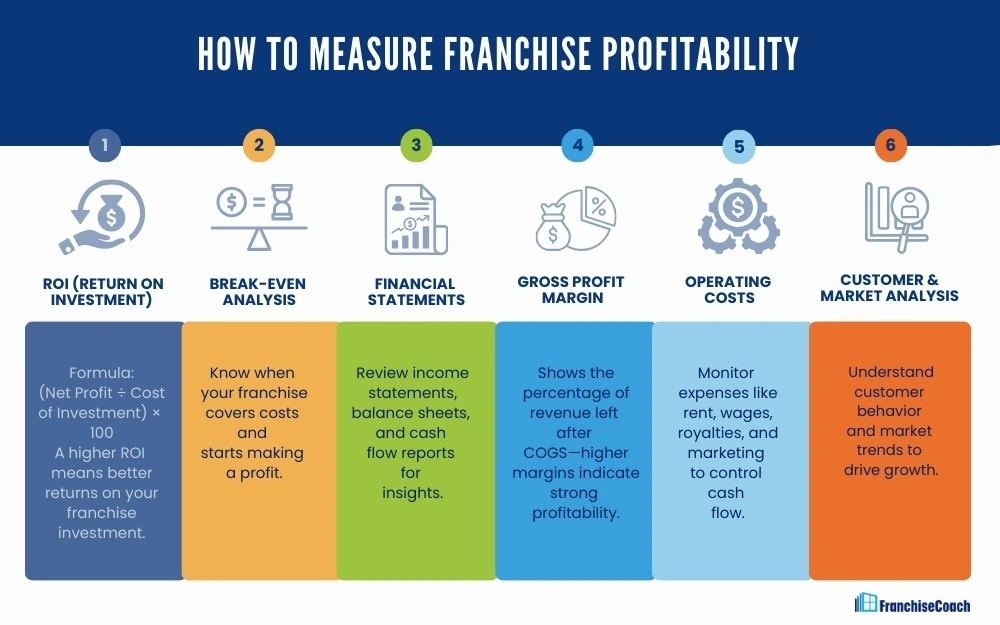
They don't understand their breakeven sales. They do not comprehend how margin enhances as sales increase. I have actually seen so lots of business where the numbers simply don't work.
Comparing Investment Models Against Market DataIf you don't have those 2 things, you shouldn't be developing shops. Because as I hear your description, you have actually highlighted 3 things: execution, brand differentiation, and financial viability.
Analyzing Restaurant Market Share Data for 2026Strategic Growth Targets for 2026
Second, you require a compelling brand or special concept that resonates with clients. And another essential lesson is about going into brand-new markets.
But when we broadened to Dallas, I expected new stores to do 5070% of Phoenix sales in the first year. A lot of operators presume new markets will open at complete volume the first day. That practically never ever occurs. And when the stores open sluggish, however you've signed leases and developed a monetary model based on higher volumes, you get overextended.

Latest Posts

Reviewing Major 2026 Hospitality Market Trends
Evaluating Regional for National Expansion Models
Comparing Investment Models Against Market Trends