All Categories
Featured
Reviewing Major 2026 Hospitality Market Trends
Evaluating Regional for National Expansion Models
Comparing Investment Models Against Market Trends
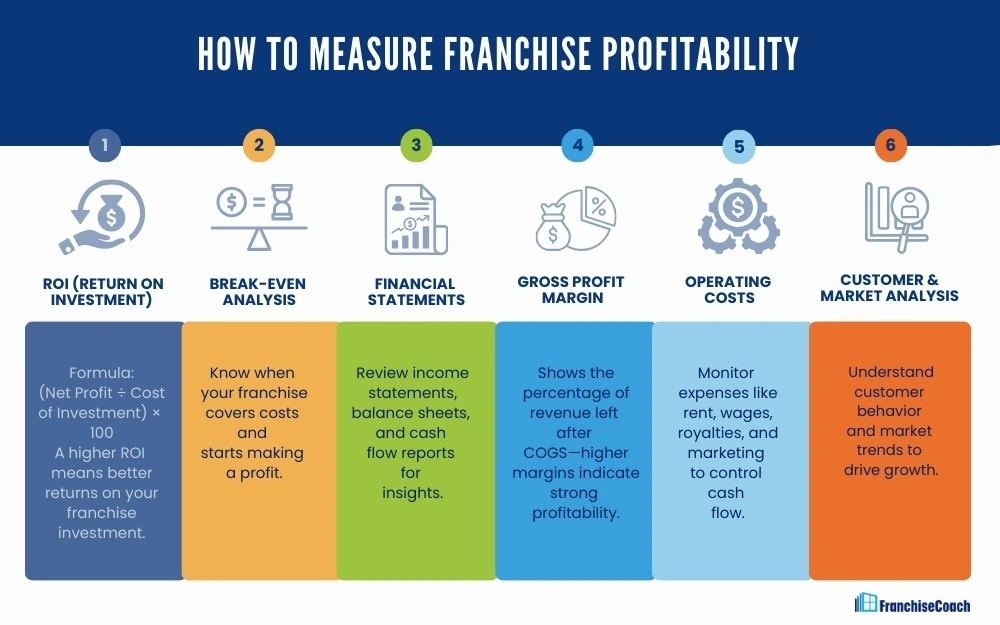
Maximising ROI in Profitable 2026 Business Ventures

Identifying High-ROI Hospitality Ventures in 2026
Table of Contents
According to , 93% of international travelers state they desire to make more sustainable choices when taking a trip, and 69% want to leave places better than when they got here. And as the requirement for eco-friendly practices is significantly acknowledged and acted on, those at the leading edge are already taking it an action even more.
- Markus Venzin, CEO EHL Group Where sustainability determines success by what is minimized or avoided less carbon, less water, less waste regrowth, in contrast, focuses on creating a positive impact. Instead of merely balancing out damage, regenerative hospitality aims to develop new worth not just for its guests however for its whole surroundings.
The hospitality industry can add to regeneration in various ways: by replanting mangroves, producing biodiversity, supporting regional ecological groups, or working together with local environmental initiatives to produce meaningful guest experiences. by using spaces to local groups, creating a hub where locals can satisfy, or inviting local artists to carry out. by training and employing residents, or working with regional suppliers.
To decrease environmental and supply chain risks. For brand distinction. The foodservice market is uniquely positioned to favorably affect social and natural surroundings, consumer health, and the economy as it touches so numerous lives every day. Hotels and restaurants can influence sourcing, create more health-conscious menus, promote social dining practices, and foster openness and innovation in their operations.
They can react to the growing need for food that is not simply pleasing however likewise supportive of visitors' personal and the planet's well-being. Embracing a more regenerative technique is often seen as expensive and reserved for niche, premium brands. There needs to be "a balance between immediate functional needs and long-term ecological objectives, placing sustainability not only as an ethical important but likewise as a driver of competitiveness and durability in the evolving foodservice landscape," as Dr Martin-Ross says.
Maximizing Market Share via Smart Scaling PlansStrictly defined metrics have not yet been established. The success of regrowth ends up being noticeable in more biodiverse landscapes, nature restoration, cultural conservation, increased positive neighborhood engagement, and experiences that increase the wellness of both visitors and hosts. Hospitality business can capitalize on this pattern in multiple ways: By offering their own experiences (e.g., quiz nights at a cafe) By partnering with regional experience providers (e.g., a B&B welcoming a chef to offer its visitors a cooking workshop) By producing experiences for and with other industries.
a style brand partnering with a hospitality organization to open its own cafe) Experiences have constantly been an essential part of the hospitality sector, and while hospitality companies have continued to establish the guest experience, we also see an increase in guest expectations. "Immersive experiences have actually ended up being so important and popular since the expectations of our visitors and tourists from all over the world have actually ended up being a lot more sophisticated in the last couple of years," says Christoph Hoffmann, EHL IAB Member and Creator of 25hours Hotels and Bikini Island & Mountain Hotels.
Valentina Clergue also keeps in mind a shift from more passive to more transformative and immersive experiences. Visitors wish to find out, feel, act, be entertained, and escape their daily lives - often simultaneously. And when it concerns hospitality, the human element plays an essential function in this. Some methods hospitality companies can use to produce immersive experiences include: "Engaging the senses is crucial when producing remarkable experiences.
Major Regional Milestones in Brand Development
Strictly defined metrics have not yet been established. The success of regrowth ends up being noticeable in more biodiverse landscapes, nature remediation, cultural conservation, increased positive community engagement, and experiences that increase the well-being of both guests and hosts. Hospitality companies can capitalize on this pattern in numerous methods: By using their own experiences (e.g., test nights at a cafe) By partnering with regional experience providers (e.g., a B&B inviting a chef to offer its visitors a cooking workshop) By creating experiences for and with other markets.
%2Fstory1%2F2731278%2F89a6667dcabd6fc7923e9751c85974cc5967.jpg&w=3840&q=75)
a fashion brand name partnering with a hospitality organization to open its own cafe) Experiences have always been a vital part of the hospitality sector, and while hospitality business have actually continued to develop the guest experience, we likewise see an increase in visitor expectations. "Immersive experiences have ended up being so crucial and popular because the expectations of our guests and tourists from all over the world have become far more advanced in the last couple of years," states Christoph Hoffmann, EHL IAB Member and Founder of 25hours Hotels and Swimsuit Island & Mountain Hotels.
Targeting High-ROI Hospitality Ventures in 2026
Valentina Clergue also notes a shift from more passive to more transformative and immersive experiences. Visitors want to find out, feel, act, be entertained, and leave their daily lives - sometimes at one time. And when it pertains to hospitality, the human element plays an essential role in this. Some methods hospitality companies can utilize to develop immersive experiences consist of: "Engaging the senses is essential when creating memorable experiences.

Latest Posts

Reviewing Major 2026 Hospitality Market Trends
Evaluating Regional for National Expansion Models

Comparing Investment Models Against Market Trends