All Categories
Featured
Reviewing Major 2026 Hospitality Market Trends
Evaluating Regional for National Expansion Models
Comparing Investment Models Against Market Trends
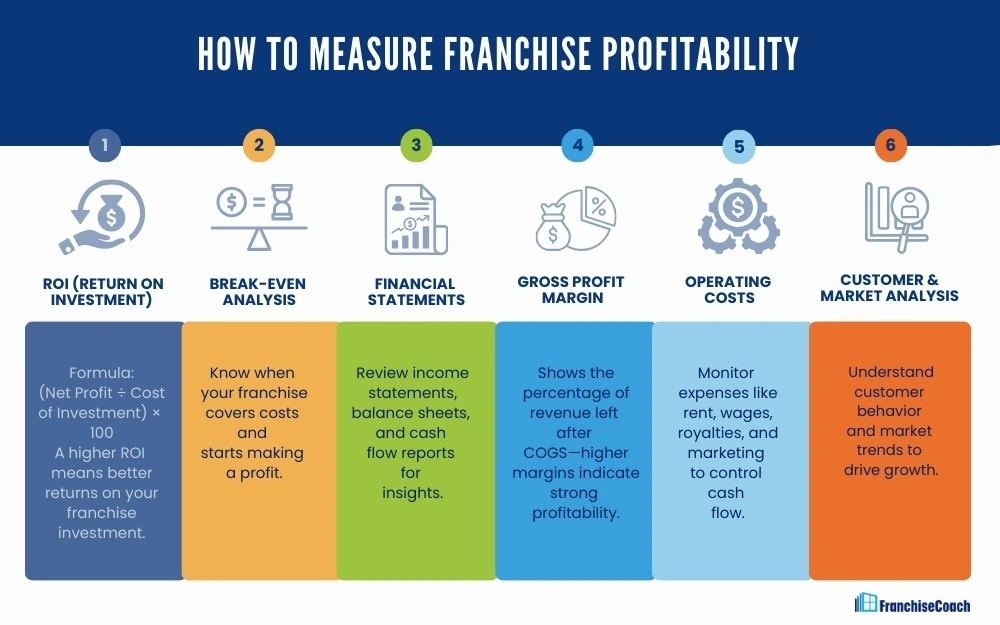
Maximising ROI in Profitable 2026 Business Ventures

Major Growth Milestones for 2026
Every restaurant owner imagine success, however success can look various depending upon your approach. Should you focus on development and expanding your footprint and client base? Or should you aim to scale and increase success without considerably raising expenses? Understanding the distinction in between the 2 is vital when considering your earnings margins.
Expert Ways to Boost Brand Presence via ExpansionDevelopment typically involves increasing revenue by adding more resourcesnew places, more personnel, or more extensive menus. If your margins are tight, scaling might be the more prudent choice. Development is a clever relocation when your existing area is growing, particularly if you're turning away clients due to capability constraintsopening a new place can assist record that unmet need.
Additionally, success is more likely if you've recognized a brand-new market with comparable demographics, permitting you to reproduce your existing achievements.growth frequently brings greater overhead costs, like lease, utilities, and labor. These can rapidly consume into your revenue margins if not handled carefully. Scaling is an excellent option for improving performance, such as improving cooking area operations, reducing food waste, or enhancing labor scheduling to increase revenues without considerable investments.
In addition, scaling enables you to maximize existing resources by increasing table turnover or expanding delivery and catering services rather than purchasing a new location. If your dining establishment embraces a robust online purchasing system, you could increase profits without requiring extra personnel or area. Growth can increase your earnings, but it also brings higher costs.
Expert Ways to Boost Brand Presence via ExpansionLeading Franchise Opportunities in 2026
In contrast, scaling focuses on enhancing revenues more efficiently. For example, cutting food waste by just 10% can have a significant effect on your bottom line without requiring extra income streams. Sometimes, the finest technique is a mix of development and scaling. You could begin by scaling your current operations to optimize efficiency, then utilize the extra earnings to money future growth.
As soon as profits increase, the owner could reinvest those savings into opening a 2nd place., and we can assist you make the ideal choice.
Growing a restaurant requires more than just boosting consumer numbersit requires a structured approach focused on operational efficiency, earnings diversification, and strategic expansion. You might be considering how you prepare to grow from one dining establishment to 3. How do you scale your service to keep up with increasing demand? It all starts with setting clear objectives.
Why Is Scaling the Best Investment?
In this guide, we'll check out essential techniques for restaurant owners aiming to scale their business sustainably and effectively. As your dining establishment gears up for growth, optimizing operations ends up being absolutely crucial. Efficient operations form the backbone of scalability, ensuring that growth does not lead to a decline in quality or service. Improving procedures, from stock management and cooking to customer care and order fulfillment, permits restaurants to handle increased demand without ending up being overloaded.
Moreover, well-defined and effective systems create consistency, ensuring a favorable consumer experience despite location or volume. This consistency develops brand name commitment and favorable word-of-mouth, which are necessary for sustained development and success in the competitive restaurant industry. Eventually, operational quality lays the foundation for a smooth and effective scaling process, permitting restaurants to expand their reach while keeping the quality and performance that made them effective in the very first place.
This makes sure consistency and decreases errors.: Examine how personnel move through the restaurant and recognize bottlenecks. Rearrange devices or change procedures to improve efficiency.: Concentrate on popular, successful meals. This reduces ingredient variety, accelerate cooking times, and can decrease waste.: Supply thorough training on food handling, customer support, and restaurant-specific software.
This can enhance morale and cause better customer interactions.: Use data to forecast hectic times and schedule personnel appropriately. Prevent overstaffing or understaffing, which can impact costs and service.: Use software or an in-depth manual system to track stock levels, forecast needs, and automate ordering. This minimizes waste and guarantees you have the components you need.: Train staff on correct food storage and managing methods.
: Use a modern-day POS system to simplify buying, payments, and stock management. Some systems also offer important information insights.: Offer online ordering to increase sales and provide convenience for customers.: Usage KDS to replace paper tickets in the kitchen, enhancing communication and order accuracy.: Train personnel to be friendly, attentive, and efficient.

Latest Posts

Reviewing Major 2026 Hospitality Market Trends

Evaluating Regional for National Expansion Models
Comparing Investment Models Against Market Trends