All Categories
Featured
Reviewing Major 2026 Hospitality Market Trends
Evaluating Regional for National Expansion Models
Comparing Investment Models Against Market Trends
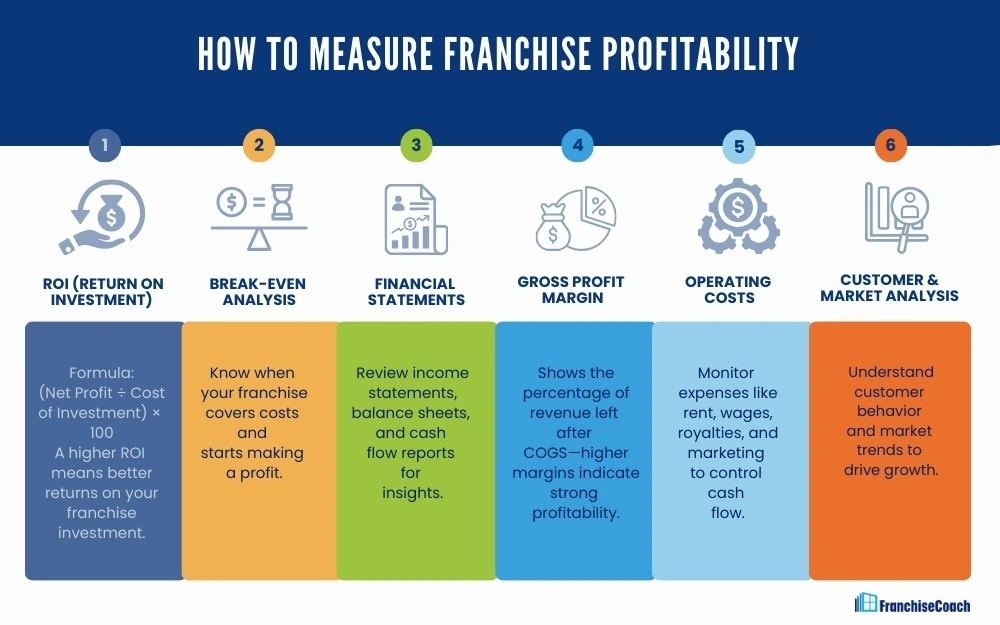
Maximising ROI in Profitable 2026 Business Ventures
Major Regional Growth Milestones for 2026 Corporations
According to Grand View Research study, the worldwide solo travel market was valued at over $482 billion in 2024 and is forecasted to grow 14.3% by 2030. This development includes a significant rise among female travelers looking for independence and self-discovery, which in turn enhances demand for safety-oriented items and services. Entrepreneurs can capitalize on this opportunity by developing ingenious security services specifically developed for solo tourists, consisting of personal alarms, GPS-enabled gadgets, and secure lodging choices.
The appeal of minimalist, sustainable travel is more powerful than ever, especially amongst millennials and Gen Z. And with remote and hybrid work becoming increasingly prevalent, an unique, tiny home leasing might stand out of somebody looking for a cozy online for a "workation." Tiny homes can yield high tenancy and low upkeep expenses, making them an appealing model for solo operators or shop home managers.Slow travel is booming, and backwoods are ending up being prime locations. Business owners can tap into the.
Major Global Growth Targets for 2026 Brandsgrowing appeal of interest-based and cultural experiences by launching regional experience platformssuch as cooking classes, craft workshops, and local toursin less-traveled areas. This design offers travelers unique adventures while supporting typically underrepresented neighborhoods and small companies excited to share their stories and abilities. Today's travelers aren't leaving their family pets behind; they're preparing trips around them. A properly designed app or preparation platform that helps
Dominating Quick Casual Market Share in 2026
users discover pet-welcoming stays, parks, and eateries might corner a faithful market. Add-ons, such as equipment recommendations or pet travel kits, can further boost income. Touchless, 24/7 retail is on the rise, and modern vending makers can now sell whatever from snacks to electronics with very little overhead. From drinks and snacks to health-conscious products, vending deals varied choices that cater to the wants and needs of your customers. Set up in a high-traffic area and enjoy your sales skyrocket. Families who take a trip with kids frequently prefer to lease baby cribs, cars and truck seats, and strollers at their location instead of carry them through airports. As of 2026, this market's market is valued at around $1.2 billion, with an awaited CAGR of approximately 15%through 2028. With millennials and Gen Zers continuing tostart and grow their families, there are various chances to satisfy their expectations by incorporating technology and self-service into the experience. From wedding event arches to power washers, consumers and organizations are opting to lease instead of purchase one-time-use gear. This growing market provides plenty of chances to take a niche and target specific consumer or industrial requirements.
As car ownership costs increase, consumers are trying to find affordable and sustainable short-term options, such as local automobile rental models and platforms. The peer-to-peer (P2P) cars and truck sharing is predicted to grow nearly 16 %by 2030. Startup expenses and possible profit margins for brand-new organization ventures vary depending on the business's structure. Your expense base(labor versus stock versus technology )and earnings model(one-time vs. recurring)ultimately determine how quickly your organization idea can become lucrative and scalable. The typical service-based company costs$5,000$25,000 at start-up. Service services typically have the most affordable startup expenses because they rely primarily on the owner's(or their staff members')abilities instead of on physical possessions. Service organizations can usually expect margins closer to 15%to20 %, given that they can charge more for their knowledge and individual labor. Stock costs, fulfillment logistics, making factors to consider, and more drive higher startup costs for item services. Margins can differ commonly depending on production expenses, rates strategy, competitors, and whether they run solely online or out of a brick-and-mortar location. Margins are often lower for product businesses than other types: The average net earnings for retail services throughout all sectors is generally well listed below 10%. Membership or repeating profits organizations, such as software-as-a-service(SaaS ), memberships, or membership box services, rely greatly on customer retention for profitability. While initial costs can be moderate to high(particularly for software), the membership model shifts focus towards long-term consumer worth. Any company with a repeating revenue stream is scalable and profit margins can reach as high as 90%, though an objective of a minimum of 30%is preferable. Expenses and margins will vary depending upon your company's store type and place. Many entrepreneurs begin their first online services from home, so office is never an upfront expense. Brick-and-mortar start-up expenses are considerably higher($50,000 to $150,000)since a physical commercial area is included in initial expenses. In addition to rent and item inventory, small business owners have to consider screens, decors, point-of-sale systems, and more to get their services off the ground. Research study competitors to see what they're currently offering, how consumers react, and what you could provide that's remarkable. Understanding your rivals 'market position allows you to separate, ensuring your offerings will not be overshadowed by what's currently readily available. From there, evaluate what customers are browsing for throughout engineslike Google and platforms like Amazon and YouTube by performing keyword research. In doing so, you'll discover popular consumer discomfort points and market gaps. To verify whether clients are ready to pay for your idea, gauge public interest through presales. Presales assist you get a clearer photo of consumers'willingness to pay for your product or service, backed by concrete data and potential incomes. Before investing time and resources into a full-scale service or product, produce a minimum viable product(MVP)or a simplified version of your product or serviceto test the principle. This allows you to confirm your idea based upon feedback from early users and figure out whether it's solving your target market's needs. While some of the above recognition techniques can require time to develop, there are faster ways to find out what audiences consider your ideas. Attempt a few of these techniques to get quick feedback. Promote your concept with online ads (even if it's not ideal yet) to see how your target audience reactsand whether you're targeting the best people. Develop an online landing page that discusses your offering, including its key advantages and prices design.

Latest Posts

Reviewing Major 2026 Hospitality Market Trends
Evaluating Regional for National Expansion Models
Comparing Investment Models Against Market Trends