All Categories
Featured
Reviewing Major 2026 Hospitality Market Trends
Evaluating Regional for National Expansion Models
Comparing Investment Models Against Market Trends
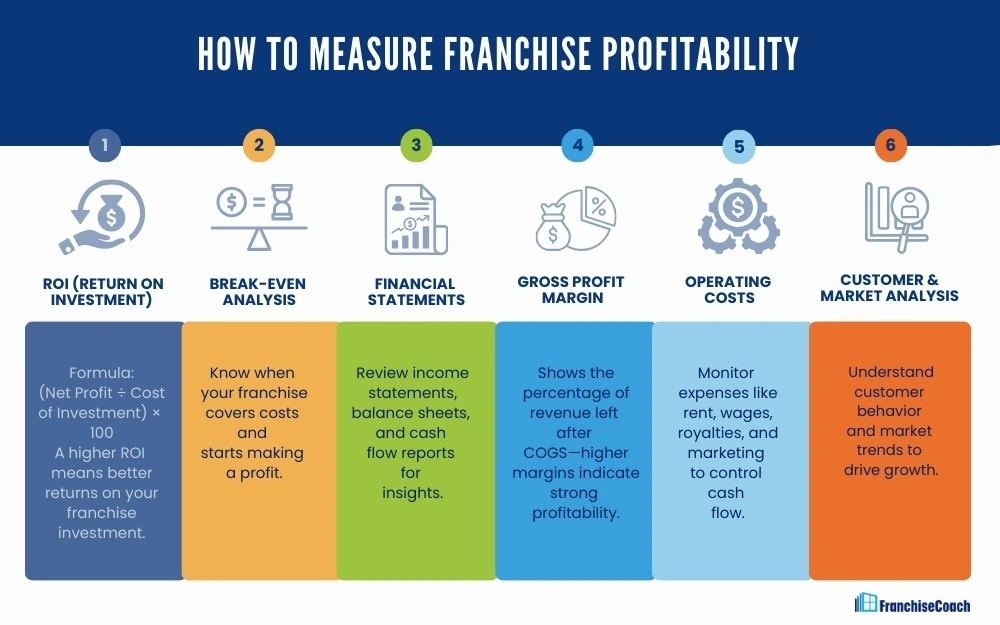
Maximising ROI in Profitable 2026 Business Ventures

The Outlook of 2026 Brand Growth Milestones
Table of Contents
According to , 93% of worldwide travelers say they desire to make more sustainable choices when traveling, and 69% want to leave places much better than when they arrived. And as the requirement for eco-friendly practices is progressively recognized and acted on, those at the forefront are currently taking it an action further.
- Markus Venzin, CEO EHL Group Where sustainability determines success by what is lowered or avoided less carbon, less water, less waste regrowth, on the other hand, focuses on producing a favorable effect. Instead of simply balancing out harm, regenerative hospitality intends to create new worth not only for its guests but for its whole surroundings.
The hospitality industry can add to regeneration in various methods: by replanting mangroves, producing biodiversity, supporting regional ecological groups, or teaming up with regional environmental initiatives to develop significant visitor experiences. by providing spaces to local groups, producing a hub where residents can meet, or inviting local artists to carry out. by training and hiring residents, or dealing with local suppliers.
For brand distinction. The foodservice industry is uniquely placed to favorably impact social and natural environments, customer health, and the economy as it touches so many lives every day.
On top of that, they can respond to the growing demand for food that is not simply pleasing but also supportive of guests' individual and the world's wellness. Adopting a more regenerative method is frequently viewed as costly and booked for niche, premium brand names. EHL Professor and author of a recent EHL research study around the topic, Dr.
Proven Tips for Restaurant Brand Expansion
He likewise worries that sustainable food practices can offer hospitality companies of all sizes an one-upmanship by "opening brand-new profits streams, enhancing efficiency, and winning sustainability-minded consumers." At the very same time, it is very important to acknowledge that adopting regrowth or sustainability practices isn't always simple, specifically for smaller businesses. There requires to be "a balance between instant operational requirements and long-lasting ecological goals, positioning sustainability not only as an ethical crucial however likewise as a chauffeur of competitiveness and resilience in the evolving foodservice landscape," as Dr Martin-Ross says.
Strictly defined metrics have not yet been developed. The success of regrowth ends up being visible in more biodiverse landscapes, nature repair, cultural preservation, increased favorable community engagement, and experiences that increase the well-being of both guests and hosts. Hospitality business can capitalize on this trend in several ways: By providing their own experiences (e.g., test nights at a cafe) By partnering with local experience suppliers (e.g., a B&B welcoming a chef to offer its guests a cooking workshop) By producing experiences for and with other markets.
a fashion brand name partnering with a hospitality company to open its own coffee shop) Experiences have constantly been an essential part of the hospitality sector, and while hospitality business have continued to develop the guest experience, we also see a boost in guest expectations. "Immersive experiences have actually ended up being so crucial and popular because the expectations of our guests and travelers from all over the world have become far more advanced in the last couple of years," states Christoph Hoffmann, EHL IAB Member and Founder of 25hours Hotels and Bikini Island & Mountain Hotels.
Valentina Clergue also notes a shift from more passive to more transformative and immersive experiences. Some techniques hospitality companies can utilize to produce immersive experiences consist of: "Engaging the senses is key when developing remarkable experiences.
Identifying High-ROI Hospitality Ventures in 2026
Strictly defined metrics haven't yet been established. The success of regrowth becomes visible in more biodiverse landscapes, nature repair, cultural preservation, increased positive neighborhood engagement, and experiences that increase the well-being of both visitors and hosts. Customers' desire for experiences stays strong in 2026. exposed that couples increasingly choose memorable experiences over product gifts.
Hilton's 2025 Trends report states that a person in 4 travelers planned to look for out special experiences in 2025. Hospitality companies can profit from this trend in several methods: By using their own experiences (e.g., quiz nights at a coffee shop) By partnering with regional experience service providers (e.g., a B&B inviting a chef to provide its visitors a cooking workshop) By creating experiences for and with other industries.

a fashion brand name partnering with a hospitality company to open its own coffee shop) Experiences have actually constantly been a fundamental part of the hospitality sector, and while hospitality companies have actually continued to establish the guest experience, we likewise see a boost in guest expectations. "Immersive experiences have actually ended up being so important and popular because the expectations of our guests and travelers from all over the world have become much more advanced in the last few years," states Christoph Hoffmann, EHL IAB Member and Founder of 25hours Hotels and Bikini Island & Mountain Hotels.
The 2026 Shift in Quick-Service HospitalityStrategic Tips for Restaurant Corporate Expansion
Valentina Clergue also notes a shift from more passive to more transformative and immersive experiences. Some strategies hospitality organizations can utilize to produce immersive experiences include: "Engaging the senses is key when producing remarkable experiences.

Latest Posts

Reviewing Major 2026 Hospitality Market Trends
Evaluating Regional for National Expansion Models

Comparing Investment Models Against Market Trends